
Best recovery treatments for runners
A runner-friendly overview of massage, mobility assessments, heat, cold, and recovery planning.
Overview
For runners, recovery services are best viewed as support around the basics: training load, sleep, nutrition, strength work, mobility and injury management. A sports massage, cold plunge or red light session may feel useful, but it should not replace a proper diagnosis for pain that is sharp, worsening, persistent or affecting gait.
The best provider for a runner is often the one that asks good questions before selling a treatment: weekly mileage, recent changes, race goals, injury history, footwear, strength work and where pain appears during a run.
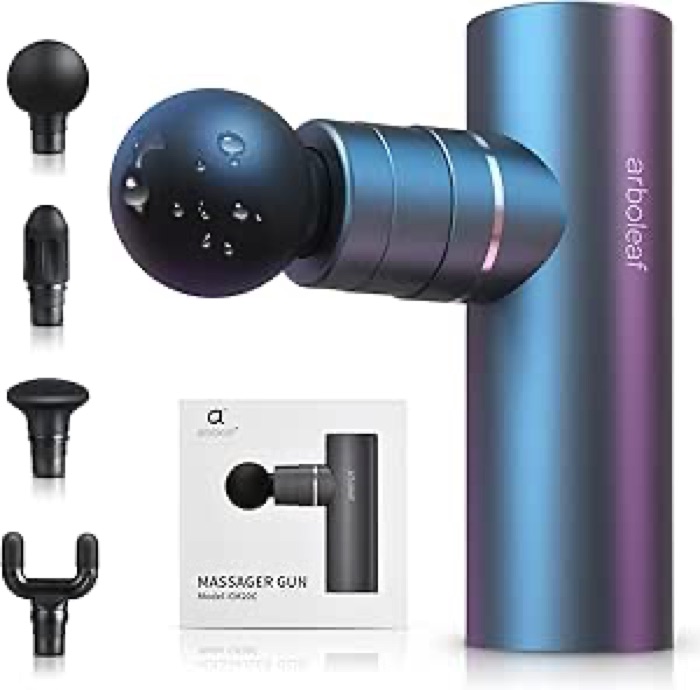 ★ Our pick
arboleaf Mini Massage Gun Full-Metal
Why we love it: All-metal body instead of plastic — it feels sturdier and lasts longer, and it is still compact enough to travel.
Why we picked it: All-metal body instead of plastic — it feels sturdier and lasts longer, and it is still compact enough to travel.
Services runners commonly compare
- Sports massage: useful for tightness, perceived recovery and hands-on assessment, but not a fix for poor loading.
- Physiotherapy or sports therapy: important when pain changes running form, returns repeatedly or needs rehab planning.
- Mobility and gait assessment: useful when the same issue keeps recurring or training volume is increasing.
- Cold water or cryotherapy: may reduce soreness for some runners after hard sessions, but should be used thoughtfully around strength adaptation.
- Infrared sauna and heat: often used for relaxation and muscle soreness, with hydration and medical suitability checks important.
- Compression therapy: commonly marketed for recovery and heavy legs; compare comfort, session length and package pricing.
How to choose
Match the service to the problem. A tired-legs recovery session before a race is different from calf pain that appears every time you reach 10km. If there is pain, loss of power, swelling, pins and needles, night pain or repeated flare-ups, start with a qualified clinician rather than a generic recovery treatment.
For general recovery, compare opening hours, shower/changing facilities, package prices, staff experience with runners and whether the provider can coordinate with a coach or physio if needed.
Questions to ask
- Do you regularly work with runners?
- Can you help distinguish soreness from injury?
- What should I avoid before a race or hard workout?
- Do you offer rehab exercises or only passive treatments?
- How should I time this around long runs, intervals and strength training?
FAQ
What matters most for runner recovery?
Sleep, nutrition, sensible training load and gradual progression usually beat any single recovery treatment. Services can help, but they work best around a good training plan.
When should I see a physio?
If pain changes how you run, persists, gets worse, or keeps returning, a qualified assessment is more useful than repeatedly buying short-term relief.
Some links on this page may be affiliate links. If you click and buy, we may earn a commission at no extra cost to you. Learn more