
Red light therapy vs infrared sauna
A plain-English comparison of two popular wellness services and how people choose between them.
Overview
Red light therapy and infrared sauna are often grouped together because both use light-related language, but they are different experiences. Red light therapy uses specific red or near-infrared wavelengths and is usually not intended to heat the body significantly. Infrared sauna uses infrared energy to warm the body directly and make you sweat at a lower air temperature than a traditional sauna.
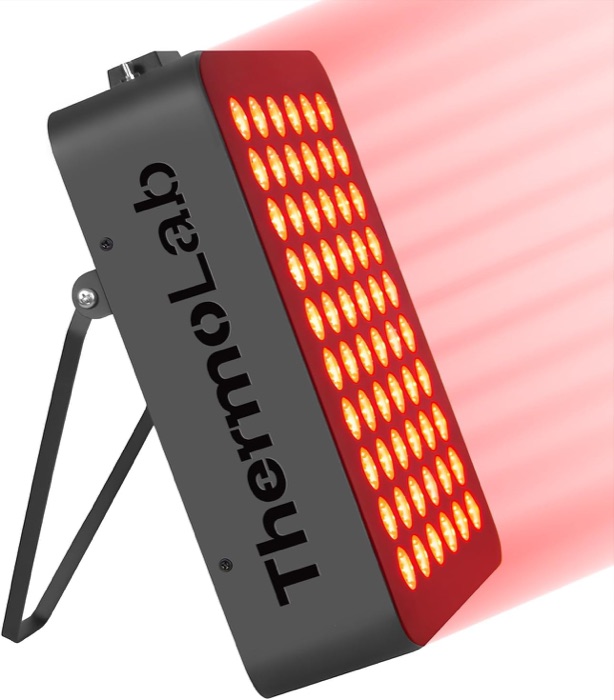 ★ Our pick
ThermoLab Aura 300W Red Light Therapy Panel 660/850nm
Why we love it: A real 300W panel with 660/850nm output — the closest thing to a clinic setup you can fit at home, without the per-session price tag.
Why we picked it: A real 300W panel with 660/850nm output — the closest thing to a clinic setup you can fit at home, without the per-session price tag.
Side-by-side comparison
| Factor | Red light therapy | Infrared sauna |
|---|---|---|
| Main experience | Light exposure, often standing or lying near panels/beds. | Heat exposure and sweating in a cabin, pod or blanket. |
| Common reasons people book | Skin appearance, recovery routines, soreness, general wellness. | Relaxation, heat therapy, muscle soreness, stress recovery. |
| Key safety points | Eye protection, photosensitivity, medicines and skin conditions. | Hydration, heat tolerance, pregnancy, heart/blood pressure concerns. |
| Price shape | Single sessions, packages or recovery memberships. | Single heat sessions, contrast-therapy passes or memberships. |
What to be careful with
Both categories are marketed with bold claims. Saunas may produce physiological responses similar to moderate exercise, such as sweating and increased heart rate, but that does not make sauna a substitute for exercise or medical care. Red light therapy is generally considered low risk when used correctly, but many broad claims still need better evidence.
Questions to ask
- Am I booking light therapy, heat therapy, or a combined service?
- What device or sauna type is used?
- What safety screening happens before first use?
- How long is the session and what should I do before/after?
- Are there package or membership options?
FAQ
Can I do both together?
Some recovery studios combine light, heat and cold services. That can be convenient, but customers should still check suitability for each part of the session.
Which is better for relaxation?
Many people find heat relaxing, while others prefer non-heating red light sessions. Comfort, safety and consistency matter more than the trend label.
Some links on this page may be affiliate links. If you click and buy, we may earn a commission at no extra cost to you. Learn more