
Foam rollers and mobility tools
How to choose a foam roller or mobility tool — density, texture and length — and use it safely for recovery.
Overview
Foam rollers and mobility tools help with muscle tightness, mobility and pre- or post-exercise routines. Options range from smooth foam rollers for gentle work to gridded or textured rollers for deeper pressure, plus massage balls and long rollers for back and legs. They are a flexible, low-cost addition to a recovery routine.
 ★ Our pick
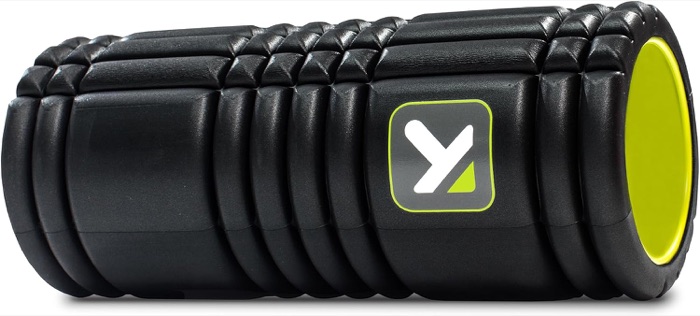
TRIGGERPOINT The Grid 1.0 Recovery Roller
Why we love it: The brand physios use — a firm grid surface with 34,700 reviews; the most-established roller here.
Why we picked it: The brand physios use — a firm grid surface with 34,700 reviews; the most-established roller here.
Types of roller
- Smooth rollers: gentle and good for beginners or sensitive areas.
- Gridded/textured rollers: apply deeper, more targeted pressure.
- Long rollers: useful for full back and leg work.
- Massage balls: precise pressure for small areas such as the shoulders or feet, often sold with rollers in a kit.
What to check before buying
- Density: firmer rollers press deeper; softer ones are gentler.
- Texture: match texture to your comfort and goals.
- Length: longer rollers cover the back better; shorter ones travel easily.
- Build: check the core and surface quality in reviews, especially for pricey "named brand" options.
- Reviews: prefer tools with a solid review base.
How to use one safely
Roll slowly, breathe, and avoid pressing hard over bones, joints or areas of swelling or numbness. Stop if it causes sharp pain. Foam rolling supports recovery and mobility work, but it does not replace professional advice for persistent or concerning pain.
FAQ
How often should I foam roll?
There is no single rule. Short, regular sessions that feel comfortable are more sustainable than occasional intense sessions. Keep it gentle when sore.
Are branded rollers worth more?
Sometimes the brand reflects real quality and durability; sometimes you pay extra for a name. A well-reviewed mid-priced roller is usually a safe choice.
Some links on this page may be affiliate links. If you click and buy, we may earn a commission at no extra cost to you. Learn more